
the truth
what i'm seeking as a fiction writer trying to do some damn research

Out in the field, researching on a barrier island, I encounter memories from childhood summer camps: Searching for centipedes and letting them crawl over our hands, like pets. The big oak tree we always gathered under before the day officially started. Running fast, in a way I never did, and then falling hard. I skinned my knee and elbow, but my favorite injury were the waterfall of cuts along my right forearm, which healed uneven, with some of the scabs flecking away earlier than others.
I remember, too, at one of the camps we signed something—shirts?—for each other, as a way to remember those two weeks of day camp. Most people said some version of HAGS, have a great summer, too. I wrote a note to a girl I had disliked at the start of the session. I always had strong feelings about the other campers, delineating them into potential allies and potential enemies. This is a learned behavior, one that comes from being the only South Asian, and likely person of color, in a throng of Connecticut camp girls, but maybe it was also unfair. I wrote to her, I thought you were really mean when I met you, but then I learned I was wrong. True, but she made a face when she saw it. Later, something happened—an accident, or maybe she asked for a new whatever we were signing—and we all had to sign again. When I got the pen she asked me to not put down what I had said before.
I didn’t understand, but I do now. Imagine if she had gone home with that I thought you were really mean. What would the people at home have said to her? They might have chastised her for being unkind at first, even if she wasn’t. Or, maybe they would have come for me, asked the camp who had written this, who had bullied their daughter so publicly. I didn’t mean for it to be bullying, and maybe she knew that.
Something about summer camp, the hot humidity frizzing all our hair, the sweat sliding down our necks, the scent of sunscreen and bug spray tying us together makes truth feel starker. We look at each other, and we know we are real. We can’t hide. But what does it mean to tell the truth? I was vulnerable when I told that girl I had once thought she was mean. She was vulnerable when she asked me not to write that down again. Her truth erased mine, but then it also made a new truth, the truth of us, that we understood only a little, even while we were living it.
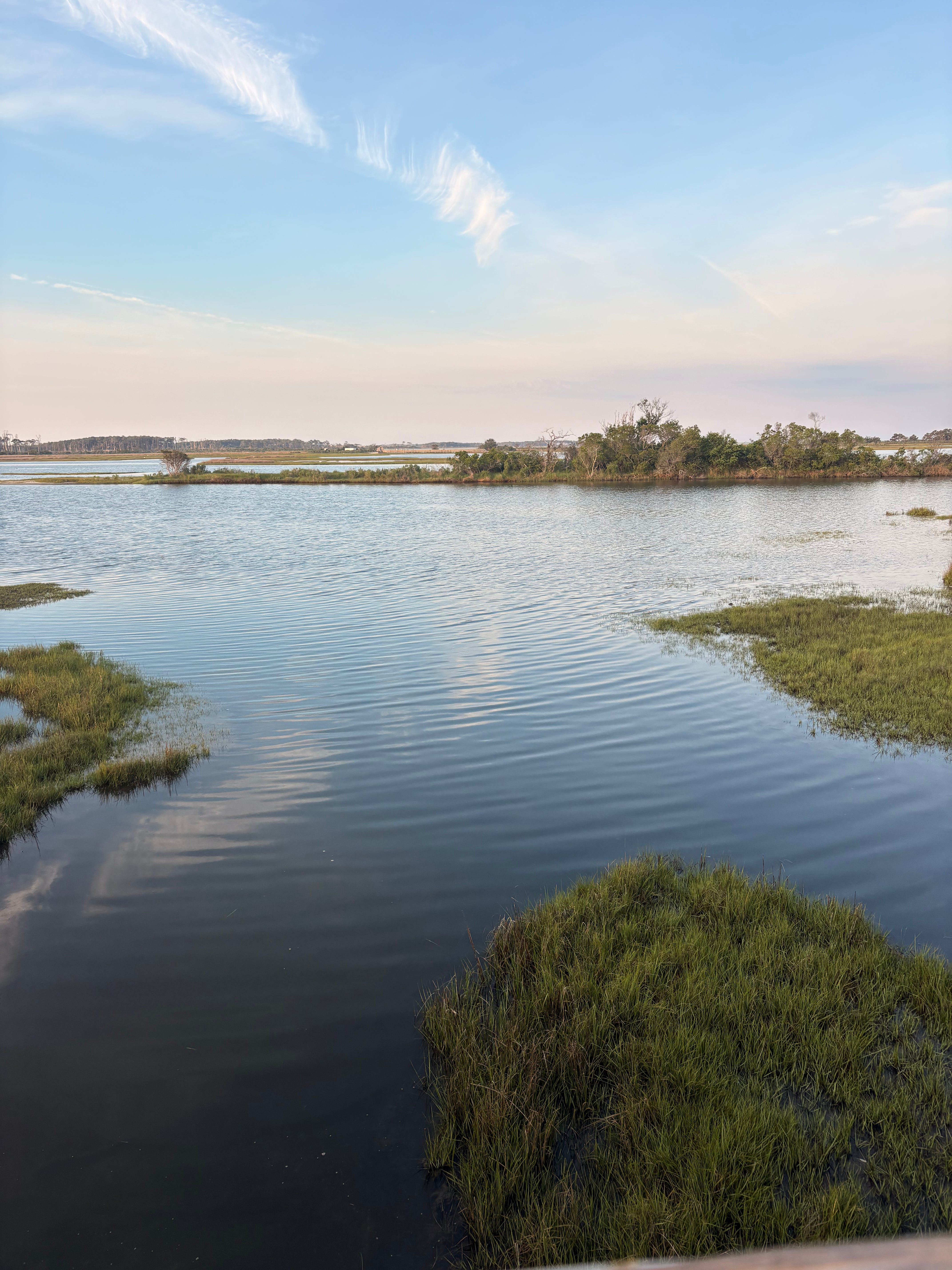
I talked to a few of my writer friends about how much research I ought to do for this new novel, which partially takes place in a rural setting I have never lived in. The predominant theme of each conversation was: commit to finding the emotional truth of the setting, the community, the event, the relationships, that I was writing, rather than the creation of new knowledge. Yes, I thought, but what if there is no one emotional truth? In every story, there are a hundred ways to assess the human condition, not least of all due to culture, gender, age, sexual orientation, you understand.
I told one of my friends that I believe in writing fiction that creates new knowledge through juxtaposition. That is, yes, fiction may not uncover new historical evidence or provide new clues about a crime, but that by placing characters and what happens to them in conjunct or in opposition to one another, we may learn to look at the world as an interconnected system. And in doing so, we may find resonances, as well as contradictions, and allow for that.
For the record, I plan to read copiously and obscurely, and do experiential research at least four times this and next year in regards to my subject. This will get me closer to certain factual and cultural truths that underpin this place. It will also get me closer to articulating some of my own relationship with it too. That relationship, though, isn’t stagnant. There is a part that treasures the place despite its violences, a part of is interested in its history, a part that finds the island practices despicable. These parts tap into me, and also what has shaped me—living in a white supremacist culture, immigrant family fears, disabled joy.
I go back to the camp memory. I provided multiple truths when I told that story, but all those assumptions, all those narratives, came out of me—no one else. They make up my emotional truth, but that emotional truth is just a blend of realities I live at the intersection of. What does it say about me, that I have all that, hold all that? What does it say about you, that you can understand that I do? What are we going to find together?
A Dose of Updates
BOOK: Ravishing paperback will be out on November 10th of this year, you can certainly preorder and get a copy for your favorite friend(s).
OTHER WRITING: I have work in the Thirty Cabins zine! Preorder your limited copy now. Also, does anyone else watch ShawnaTheMom? I’m considering writing some recaps of the episodes, because, well, I’m obsessed. Subscribe to that here if you’re interested in that chaos.
WHAT ELSE IS HAPPENING: I’m watching the World Cup—a lot. Is this what it feels like to be a suburban dad, putting on “the game” to relax? I am pissed off because insurance has made me switch to a biosimilar for my biologic, meaning I don’t have the great copay card I had before. BTW, did you know that some states allow you to put your copay card payments toward your deductible? Mine is not one—is yours? Otherwise, in the process of finishing up the third season Broadchurch. Just finished Sarah Anderson’s Fallow to prepare for interviewing her for Debutiful. Also listening to the audio of Forest Euphoria: The Abounding Queerness of Nature.